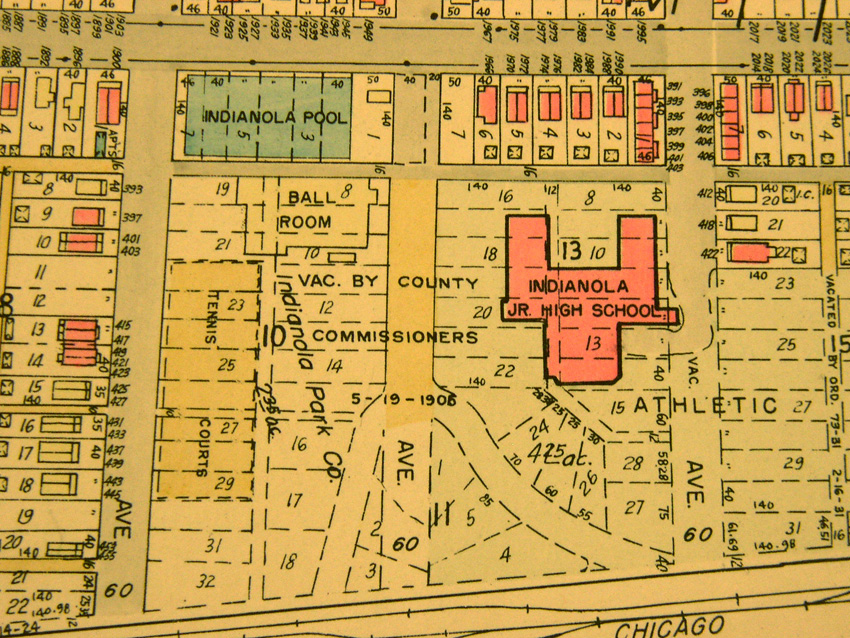
Map of Indianola Park in the 1930s. |
|||
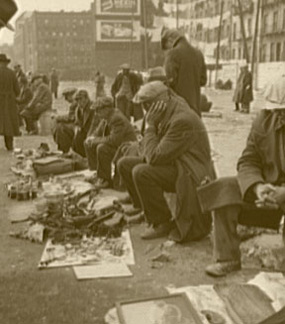
As the 1930s began, Indianola was already struggling. The funds from the sale of the northern half of the park paid off debts and bought the park some breathing room but it didn't change its fundamental problems. In some ways, the sale weakened the park's position. Indianola had less to compete with than ever before. There were no longer amusements or picnic grounds to offer. Indianola was reduced to just the pool, dance pavilion, and tennis courts. The Great Depression worsened all the park's other problems. Hard times meant families couldn't afford trips to the amusement park. Food, clothes, and rent or mortgage payments all came before recreation in Depression Era family budgets. If families had anything left over at the end of the month, they hung onto it. Meanwhile, competition from new entertainments increased with each passing year. Indianola and the other parks were fighting over shares of a shrinking pie. Just as the park was grappling with these challenges, its proprietor was entering his twilight years. Park founder, manager, and largest shareholder Charles Miles turned 70 in 1936. Seventy in the 1930s wasn't like 70 today. Seventy was old. Adding to Miles' burden, his brother and right-hand man, John, who had long served as park vice-president, died in 1929. |
|
||
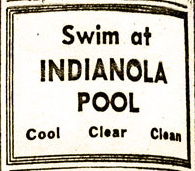
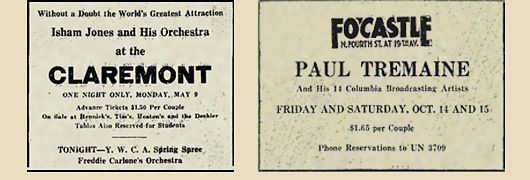
The hottest temperature ever recorded in Columbus is 106° F. This happened twice in the 1930s. First on July 21, 1934 and then again two years later on July 14, 1936. In such weather, Indianola's frosty pool was irresistible. The dance pavilion was leased out to various groups and operated under a succession of names in the early 1930s. First it was The Indianola Ballroom (1928?-32), then The Claremont (1932), then Fo'Castle (1932-34), and finally Club Playmore (1935-37).
Under new management, the dance pavilion began booking top local and regional hot jazz and early swing orchestras and occasionally latched onto a well-known national band. Isham Jones, Paul Tremaine, and Tal Henry all played Indianola Park in the early 1930s. The park worked hard to connect with the massive population of college students on its doorstep, hosting college nights, frasternity and sorority mixers, and university social functions. |
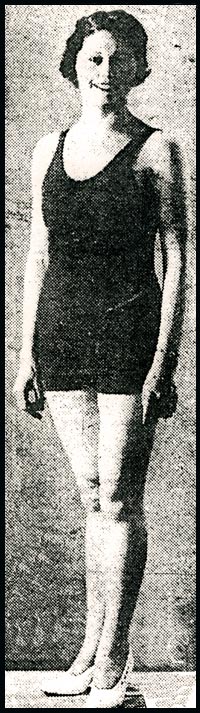
A 1930s bathing beauty in period swimwear. |
||
Alas, it wasn't enough. In April 1937, after 32 years of operation, the park entered bankrupcy and sought to reorganize. No plan was submitted and in February 1939, the park's assets were ordered sold to satisfy creditors. In March 1939, the park's principal creditors, Columbian Building & Loan and Liley Building & Loan Company, bought the property at auction. Six months later, on November 23, 1939, park founder and proprietor Charles E. Miles died just short of his 73rd birthday. In April 1940, the Loving Company bought the property and the next chapter of Indianola Park's story began. |
|||